
When your oven suddenly gives up on you—whether it’s refusing to heat, flashing cryptic error codes, or making strange noises—it’s tempting to panic and think, “Well, that’s the end of it. Time to buy a new one.” But before you pull out the credit card and resign yourself to a week of takeout, let me reassure you: most ovens can absolutely be repaired.
In fact, ovens are among the more repair-friendly appliances in your kitchen. While they do have electronic boards, sensors, and modern bells and whistles, their core design hasn’t changed much in decades. That means repair is often possible—and often cost-effective—if you know what to look for.
Why Ovens Are Usually Repairable
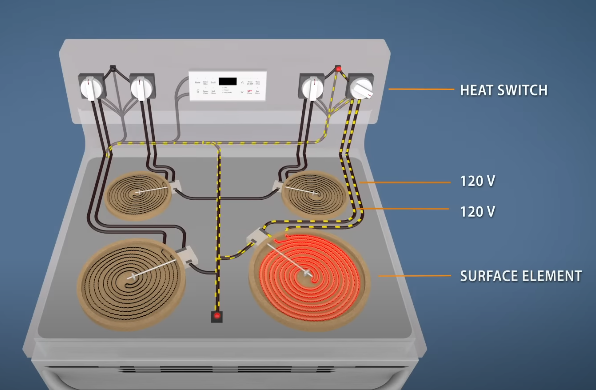
The oven isn’t just a shiny box that makes cookies. At its heart, it’s a fairly straightforward system: a heat source (gas burner or electric element), a thermostat or temperature sensor, and a control system to regulate everything. When something goes wrong, it’s usually one of those pieces failing.
The beauty of this simplicity? Components can often be swapped out. Think of it like changing spark plugs in a car: one part goes bad, but the whole car isn’t junk.
According to data from HomeAdvisor, the average oven repair costs between $150 and $400, while the average new oven runs $600 to $2,500 depending on size and features. That means in most cases, repairing is a wallet-friendly option.
I learned this lesson the hard way when I nearly replaced a perfectly good oven over what turned out to be a $40 temperature sensor. The repair took less time than brewing coffee, and the oven has worked flawlessly ever since.
Common Oven Problems That Can Be Repaired
Let’s get into the nitty-gritty. When an oven fails, the symptoms usually fall into a few recognizable categories. Here’s what they mean—and why most are repairable.
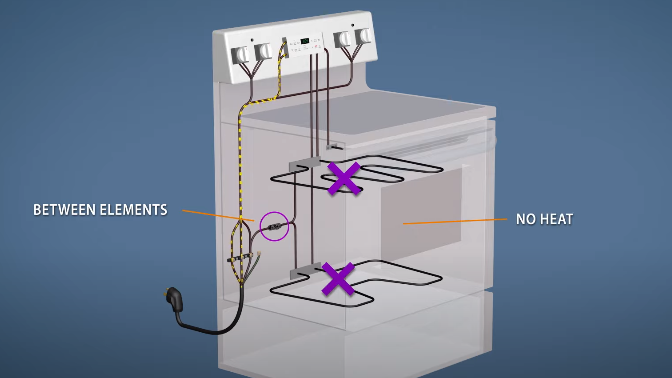
Oven Won’t Heat at All
If your oven powers on but doesn’t get hot, it usually means:
- A blown bake element (in electric ovens).
- A faulty igniter (in gas ovens).
- A tripped thermal fuse.
- A bad temperature sensor.
All of these parts are replaceable, often in under an hour with basic tools.
Oven Heats, But Not Enough
You set it to 400°F, but it barely reaches 250°F. This usually points to:
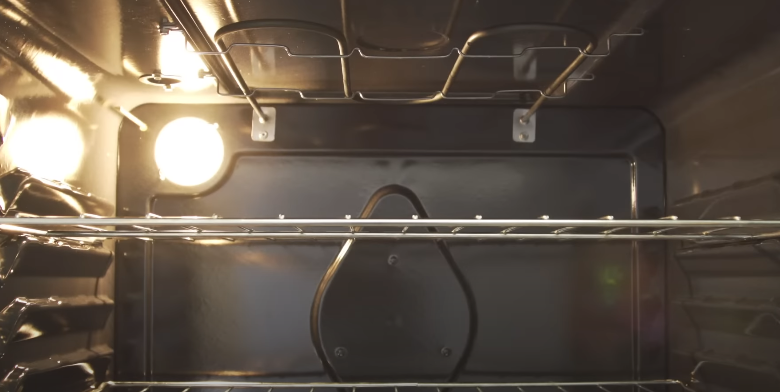
- A failing heating element.
- A weak igniter.
- A faulty sensor or thermostat.
- Occasionally, issues with the control board.
In my own kitchen, I once ruined three batches of bread because my oven was heating 100°F below what it claimed. A $35 replacement sensor fixed the problem.
Oven Won’t Turn On at All
This is when the oven is completely dead—no lights, no clock, nothing. Causes include:
- A blown internal fuse.
- A tripped breaker or faulty outlet.
- A failed control board.
The fuse is a cheap fix. The control board can be pricier but still usually repairable.
Oven Door Won’t Close or Lock
This can happen after using the self-clean cycle, which puts strain on the door lock mechanism. Replacing the lock motor or hinges typically solves it.
Uneven Cooking or Hot Spots
If one side of your lasagna is charred while the other is pale, it’s usually:
- A failing convection fan.
- A partially burned-out heating element.
Both are replaceable with relative ease.
Strange Noises or Smells
Grinding noises often point to a worn fan motor, while odd smells can indicate failing insulation or wiring. Both issues are repairable if caught early.
Repair vs. Replace: How to Decide
Of course, not every oven is worth saving. So how do you know when repair makes sense and when it’s time to say goodbye?
Here’s the golden rule (backed by appliance repair pros):
- If the repair costs less than 50% of the price of a new oven, repair it.
- If the oven is under 10 years old, repair is usually the smarter option.
According to the National Association of Home Builders, the average lifespan of an oven is about 13 to 15 years. That means if yours is only 6 or 7 years old, investing in a repair usually buys you many more years of use.
On the flip side, if you’ve got a 15-year-old oven with a cracked control board and multiple failing parts, repair costs could snowball. That’s when replacement is often more practical.
Average Costs of Common Oven Repairs
Let’s get specific. Here are the ballpark costs (parts + labor) for typical oven repairs in the U.S.:
- Bake element replacement: $100–$220
- Igniter replacement (gas ovens): $150–$300
- Thermal fuse replacement: $80–$150
- Temperature sensor replacement: $100–$250
- Door lock motor: $150–$280
- Control board repair/replacement: $200–$600
- Convection fan motor: $150–$400
Notice how almost all of these are cheaper than buying new.
Can You Repair an Oven Yourself?
This is the million-dollar question. And the answer depends on your comfort level with tools and electricity.
DIY-Friendly Repairs Include:
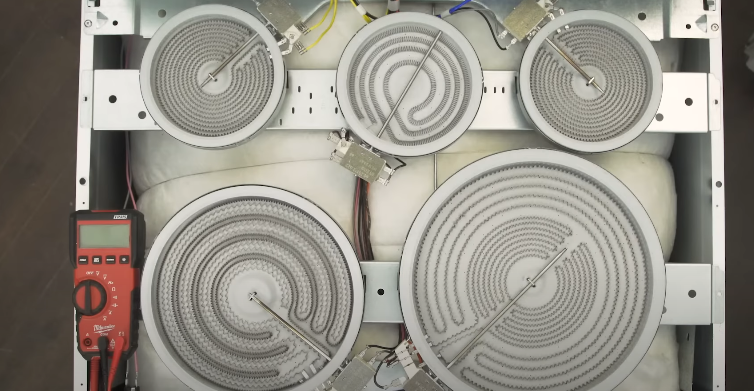
- Replacing heating elements.
- Swapping out sensors.
- Changing fuses.
- Fixing door hinges or seals.
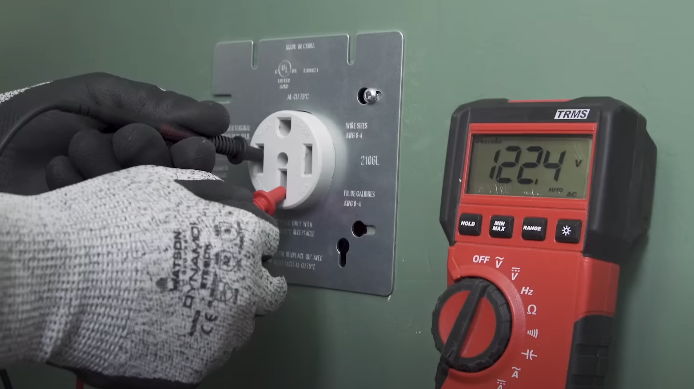
These usually require a screwdriver, maybe a multimeter, and about 30–60 minutes.
Professional Repairs Recommended:
- Control board replacement.
- Gas line issues.
- Wiring problems.
Gas appliances in particular carry risks if mishandled. If you smell gas or suspect a gas leak, always call a pro immediately.
According to Angi, about 70% of appliance owners attempt at least one DIY repair, but nearly half eventually call in a technician for more complex issues. So don’t feel bad if you start a repair and need backup—it happens to almost everyone.
Safety Precautions When Repairing Ovens
Since ovens combine high heat, electricity, and sometimes gas, safety isn’t optional. Here are the non-negotiables:
- Always unplug the oven or shut off the breaker before working.
- For gas ovens, shut off the gas line before disassembly.
- Never bypass a fuse permanently. It’s there for fire prevention.
- Use gloves when handling heating elements—they can be sharp.
- Don’t attempt wiring repairs unless you truly understand what you’re doing.
Remember, ovens are involved in 61% of cooking-related home fires (U.S. Fire Administration). Many of those fires start because of faulty wiring or misuse. Be cautious, not careless.
How to Extend the Life of Your Oven
The best repair is the one you don’t need. Here’s how to keep your oven healthy for the long haul:
- Clean regularly, but skip harsh self-clean cycles. Self-cleaning runs can damage sensors and locks. Instead, use gentler cleaning methods more often.
- Check the door seal. A worn gasket lets heat escape and makes the oven overwork.
- Avoid slamming the door. Hinges are repairable but fragile.
- Use a surge protector. This protects sensitive control boards from power spikes.
- Don’t overload the racks. Heavy roasting pans can warp racks and strain the cavity.
When Repair Isn’t the Answer
Sometimes, no matter how sentimental you feel about your oven (or how well it’s baked pies for family holidays), replacement is the realistic choice.
- If your oven is 15+ years old and failing repeatedly.
- If the control board is shot and the part is no longer available.
- If the repair estimate is more than half the cost of new.
- If safety issues like cracked insulation or severe gas leaks are present.
Think of it like a car: at some point, the cost of keeping it running exceeds the value of the car itself.
Final Thoughts
So, can ovens be repaired? Absolutely. In fact, most oven issues are highly repairable, often for a fraction of the cost of replacement. From faulty elements and igniters to sensors and fuses, many problems have straightforward solutions.
The key is knowing when to roll up your sleeves, when to call in a technician, and when to retire the oven entirely. In most cases, repair will save you money, extend the life of your appliance, and keep you cooking without interruption.
And trust me—when you pull that first perfectly browned pizza or golden tray of cookies out of a newly repaired oven, you’ll feel like you brought an old friend back to life.